
Going from one form to another
Offering for June 14, 2026

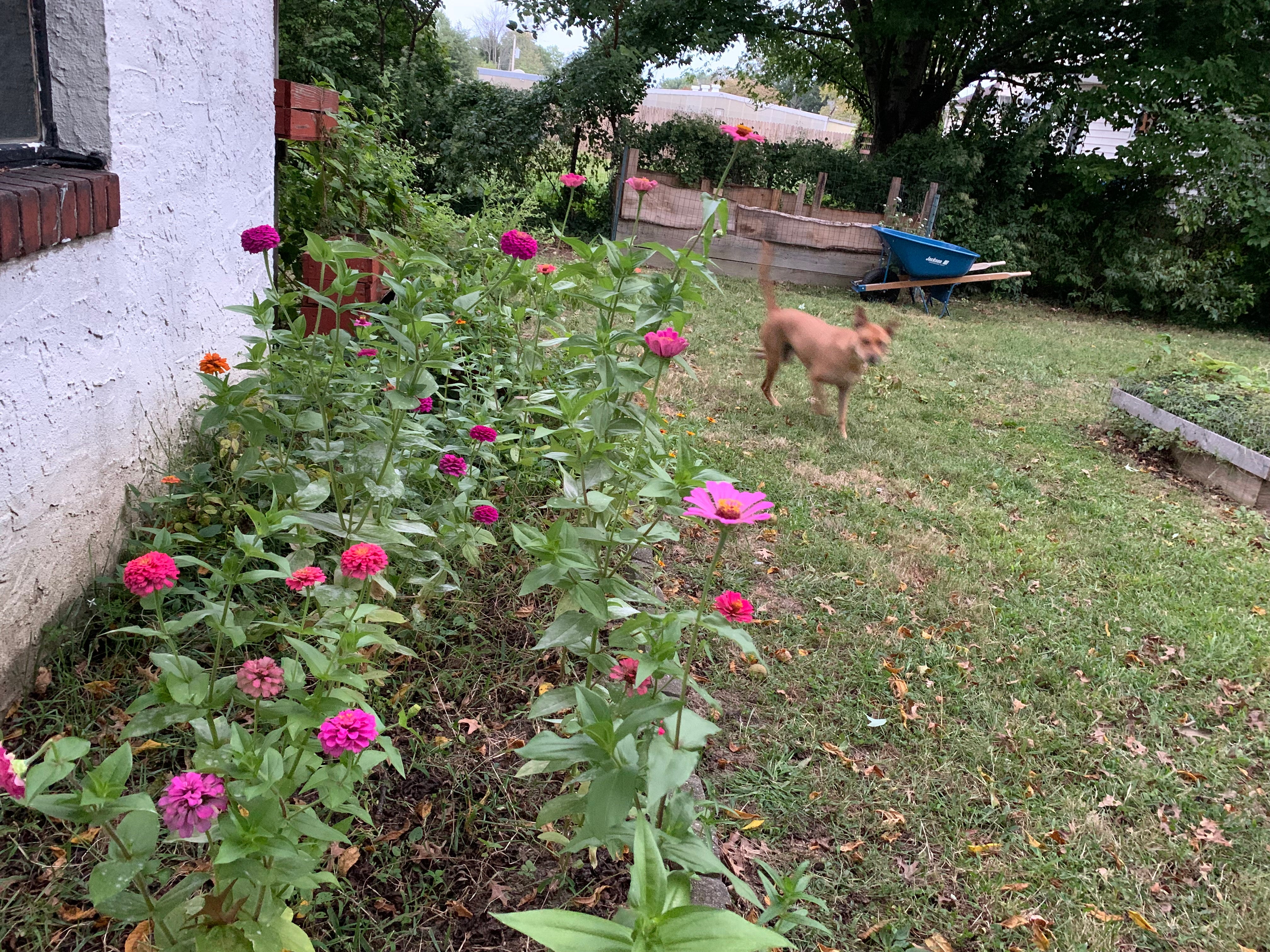
“For the most part, one must wait for things to start to coalesce again, though one can also facilitate this process, and encourage the revelation of new possible directions of meaning by involving oneself with others and in activities that build new habits, thereby disclosing new dimensions of reality and revealing new possibilities within ourselves.”
—Kym Maclaren, from “Emotional clichés and authentic passions”
Dear Reader,
I spent much of the week re-reading the letter on Force, which is also called Strength, in Meditations on the Tarot. For Anonymous, Force represents the principle that co-operates in the act of Divine miracles, or “supernatural acts...transformations, transmutations, and healings.” This interpretation excites me, because I have two reading lists for the summer and one is organized around the question of how to transform. That is, how to go from one form to another, or to move through a process that fundamentally changes what it’s like to be you1.
When I first started working2 with tarot, I was seeing my own face in the moon most of the time, so to speak. I made meanings with ideas that I knew well already. For example, self-compassion was a clear choice for the Strength card, which sometimes depicts a person cradling the head of a lion who (it is implied) could tear her to bits, but does not (presumably due to her kindness). At that time I’d spent some years in the realm of Paul Gilbert’s compassion-focused therapy, which teaches self-compassion for mental health. For Gilbert, compassion is “a basic kindness, with a deep awareness of the suffering of oneself and of other living things, coupled with the wish and effort to relieve it.3” The Rider-Waite-Smith image of gentleness and curiosity in the face of something that typically elicits terror, violence and/or turning away seemed an immediate and natural fit for a reading of the Strength card as self-compassion.
Almost exactly three years ago, I planted zinnias that I would later neglect but would bloom despite me. I also entered a long period of social withdrawal, returned to my practice of pulling cards daily, and began dreaming of a meeting series on the major arcana that I now offer twice yearly. The idea for the meetings was simple: A structured space to look at the major arcana with others, to listen and be heard, and to make meanings together. Because of what I was going through at the time, I couldn’t do more than bring the ideas I already had about each of the cards. I’d share bits from my two favorite sources—Rachel Pollack’s Seventy-Eight Degrees of Wisdom and Anonymous’ Meditations on the Tarot—and a couple short excerpts that were often only loosely related from other things I had read or was reading.
Though it took a lot longer than I hoped that it would, with time life felt stable again. New habits formed, friendships that endured thickened and filled in the gaps left by those who had vanished, and I became open again to doing new things and meeting new people. I kept offering Sunday meetings, and as time went on started to see why Anonymous says that the major arcana are a “school in the art of learning.” Real learning is often not easy, and sometimes you’re in such strange terrain that the best you can do is cling for your life to the scraps of sense that endure through the end of the world. Tarot cards are sometimes life rafts. But with time and some fortune, you may also find yourself curious, opening up to what you don’t know already.
If you’re enjoying this, consider hitting the like button. It means a lot. <3